Servo vs Hydraulic Tube Bending Machine: Energy, Accuracy & Maintenance
Jump to section
A servo vs hydraulic tube bending machine choice comes down to three things, such as energy, accuracy, and maintenance. Servo-driven machines use less power, bend with tighter precision, and need less upkeep. Hydraulic machines bring more raw force at a lower purchase price.
This guide compares the two types in plain terms for buyers, such as coil makers, plant managers, and procurement teams. It weighs each strength and each trade-off. The goal is to help a buyer pick the right tube bending machine for their product and budget.
Servo vs Hydraulic Tube Bending at a Glance
The short answer is clear. A servo-driven tube bending machine leads on energy use, accuracy, and maintenance. A hydraulic tube bending machine leads on raw force and low purchase price. Servo suits high-precision, high-volume work with many part changes. Hydraulic suits heavy, large-diameter tubes and tight budgets. The rest of this guide explains why, one factor at a time. Buyers can use it to match a machine to their own coils.
How Each Technology Works
The two machines reach the same goal by different paths. One uses an electric servo motor. The other uses pressurized oil. This core difference drives every gap in energy, accuracy, and upkeep. The two parts below explain each design.
Servo-Driven Tube Bending
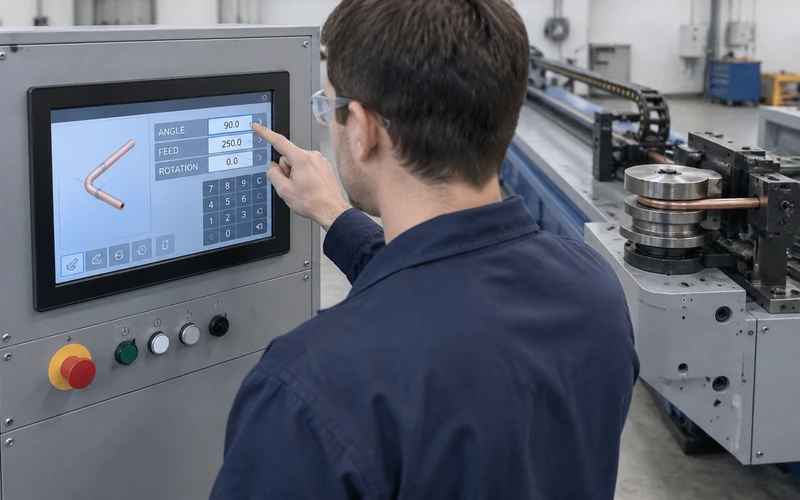
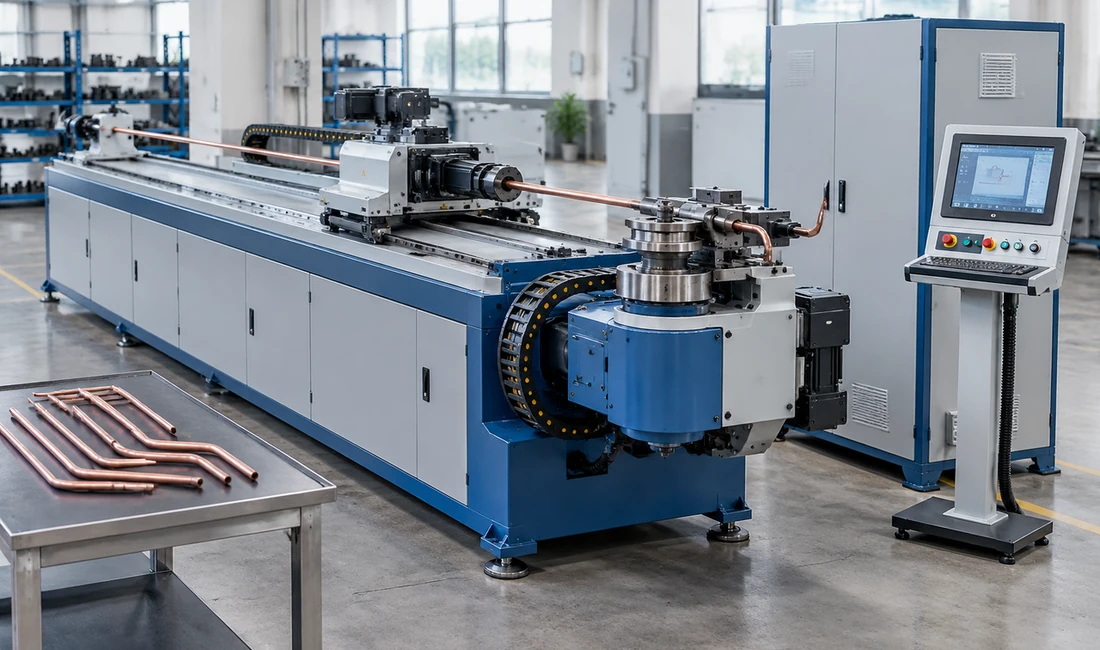
A servo-driven machine bends tubes with an electric motor and a CNC control. The servo motor turns a ball screw or gear that moves the bend arm. A CNC program sets the exact angle, speed, and position. An encoder checks the motion and corrects it in real time. This closed-loop control gives precise, repeatable bends. The motor also draws power only while it moves, so it rests between bends.
Hydraulic Tube Bending
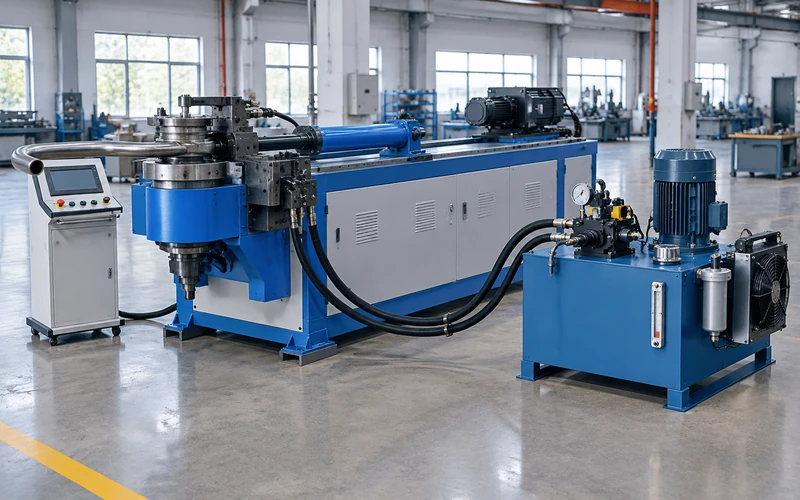
A hydraulic machine bends tubes with oil pressure. A pump pushes oil through valves into a cylinder. The cylinder then drives the bend arm with strong force. This design delivers high power, which suits thick or large tubes. But the pump often runs the whole shift, even between bends. The oil also heats up and needs cooling. These traits shape the machine’s energy use and upkeep, as the next sections show.
Energy Efficiency: Servo vs Hydraulic
Servo machines use much less energy than hydraulic ones. The reason is simple: a servo motor draws power only when it moves. Between bends, it sits idle and uses almost none. A hydraulic pump works in a different way. It often runs all shift to hold pressure, even when the machine is not bending. This constant running wastes power and creates heat. Many plants report that servo benders cut energy use by 30 to 50 percent. Over a full year, that saving can be large. For example, a servo bender that runs two shifts a day can save a plant several thousand dollars in power each year. Lower energy use also means less heat, so the shop stays cooler and needs less cooling.
Accuracy and Repeatability: Servo vs Hydraulic
Servo machines lead on accuracy and repeatability. The CNC control and encoder form a closed loop that holds each angle with tight tolerance. Every bend matches the last, even across a long run. Hydraulic machines are less steady. Oil temperature and pressure shift during a shift, which moves the bend angle. As the oil warms, the result can drift bend by bend. This drift raises the scrap rate and forces more checks. Steady bends matter because a coil with off-angle tubes may not fit its frame. For tight-spec work, such as automotive coils, HVAC coils, and refrigeration coils, servo accuracy protects quality and yield.
Maintenance and Reliability: Servo vs Hydraulic
Servo machines need less maintenance than hydraulic ones. A servo drive has no oil, no pump, and no valves. This means fewer parts, such as seals, hoses, and filters, that can wear or leak. Routine care is mostly cleaning, lubrication, and a check of the drive. A hydraulic machine asks for more. Staff must change the oil, watch for leaks, clean filters, and replace seals. Oil leaks can also stain the floor and the finished parts. Each of these tasks takes time and adds cost. More upkeep also means more downtime, and downtime stops output. A machine that runs longer between service calls earns more for the plant.
Other Factors to Weigh
Energy, accuracy, and maintenance lead the decision. Still, a few more factors can tip it, such as speed, programming, cost, and force. Each one matters for certain plants. The parts below cover them so a buyer sees the full picture.
Bending Speed and Cycle Time
Servo machines often bend faster across a mix of parts. A CNC program switches from one bend to the next in seconds. This fast changeover suits plants that make many tube shapes. Hydraulic machines can still deliver a strong single push for heavy work. But their setup between jobs tends to take longer. For high-mix, high-volume lines, servo speed keeps the cycle time short.
Ease of Programming and Line Integration
Servo machines are easier to program and connect. A CNC control stores each bend job, so an operator can recall a past part in seconds. This saved-program feature cuts setup time and human error. A servo bender also links well with an automated coil line, since it can share data with the plant system. Hydraulic machines rely more on manual setup, which takes skill and time. For a smart, connected plant, servo control is the simpler path.
Upfront Cost vs Lifetime Cost
Hydraulic machines usually cost less to buy. Their design is older and simpler, so the sticker price is lower. But the full cost tells a different story. A servo machine saves money each year through lower energy and upkeep. Over five to ten years, these savings often beat the lower purchase price of a hydraulic unit. Buyers should weigh total cost of ownership, not just the first quote.
Noise and Work Environment
Servo machines run quieter and cleaner. An electric drive makes little noise and no oil mist. A hydraulic pump is loud and can spray fine oil into the air. A quieter, cleaner shop is safer and more pleasant for workers. It can also help a plant meet local noise and safety rules.
Force Capacity and Tube Size Range
Hydraulic machines still lead on raw force. Oil pressure can produce very high push, which suits large and thick tubes. For heavy items, such as thick-wall pipe, large-diameter tube, and structural steel, hydraulic force is hard to beat. Servo machines handle small and mid-size tubes with ease and precision. But for the heaviest work, hydraulic power remains the better tool. This is the one area where hydraulic often wins.
Side-by-Side Comparison Table
The table below puts both machines side by side. It uses the same factors covered above, so buyers can compare them fast.
| Factor | Servo-Driven (CNC) | Hydraulic |
| Energy use | Low — power on demand | High — pump runs all shift |
| Accuracy / repeatability | High — closed-loop control | Medium — drifts with oil heat |
| Maintenance | Low — no hydraulic oil | High — oil, seals, filters |
| Changeover / cycle time | Fast — program switch | Slower |
| Noise and cleanliness | Quiet, no oil mist | Loud, oil mist |
| Upfront price | Higher | Lower |
| Total cost of ownership | Lower | Medium to high |
| Force and tube size range | Best for small to mid tubes | Best for large, thick tubes |
| Best fit | High precision, high mix, high volume | Heavy-duty, tight budget, low frequency |
This table is a general guide. The best pick still depends on the buyer’s own tubes and volume. The next section turns it into a clear rule.
Which One Should You Choose?
The right machine depends on the work, not on the technology alone. A buyer should look at tube size, precision needs, volume, and budget. The two parts below give a clear rule for each case.
When Servo-Driven Is the Better Fit
A servo-driven machine fits most modern coil plants. It suits work that needs tight accuracy and steady output. It also shines when a plant runs many tube shapes and changes parts often. High-volume makers, such as HVAC plants, automotive plants, and appliance plants, gain the most from its low energy and upkeep. Buyers who want a CNC tube bending machine for this kind of work can view the CNC tube bending machine range to match a model to their coils.
When Hydraulic Still Makes Sense
A hydraulic machine still fits some jobs well. It suits large-diameter and thick-wall tubes that need high force. It also makes sense for plants with a tight budget or low output. A shop that bends heavy tubes now and then may not need servo precision. In these cases, a hydraulic machine can be the smart, low-cost choice. The key is to match the machine to the real workload.
Frequently Asked Questions
Is servo tube bending more accurate than hydraulic?
Yes. A servo machine uses closed-loop CNC control, so it holds each bend angle with tight tolerance. It repeats the same result across a long run. A hydraulic machine can drift as its oil warms, which lowers accuracy. For tight-spec coils, servo is the more precise choice.
Do servo benders really use less energy?
Yes. A servo motor draws power only while it moves, then rests between bends. A hydraulic pump often runs all shift, even when idle. Many plants find that servo benders cut energy use by 30 to 50 percent. This saving adds up over a full year.
Is a hydraulic tube bender cheaper to buy?
Often, yes. A hydraulic machine usually has a lower purchase price because its design is older and simpler. But it can cost more to run through energy and maintenance. Over several years, a servo machine may cost less in total. Buyers should compare lifetime cost, not just the first price.
Which type needs less maintenance over its life?
Servo machines need less maintenance. They have no oil, pump, or valves, so fewer parts wear or leak. Care is mostly cleaning, lubrication, and a drive check. Hydraulic machines need oil changes, leak checks, and seal work, which all add time and cost.
Conclusion: Choosing the Right Tube Bender for Your Line
The choice between servo and hydraulic rests on three main factors, such as energy, accuracy, and maintenance. A servo-driven tube bending machine wins on all three, plus lower lifetime cost and a cleaner shop. A hydraulic machine still leads on raw force and low purchase price, which suits heavy, large-diameter work. A buyer who matches the machine to their tubes, volume, and budget will make a sound choice. To explore precise, energy-saving options, buyers can browse the CNC tube bending machine range or share their tube specs through the contact page for a tailored recommendation.
Want to Know More About Our Products?
View All Products Now